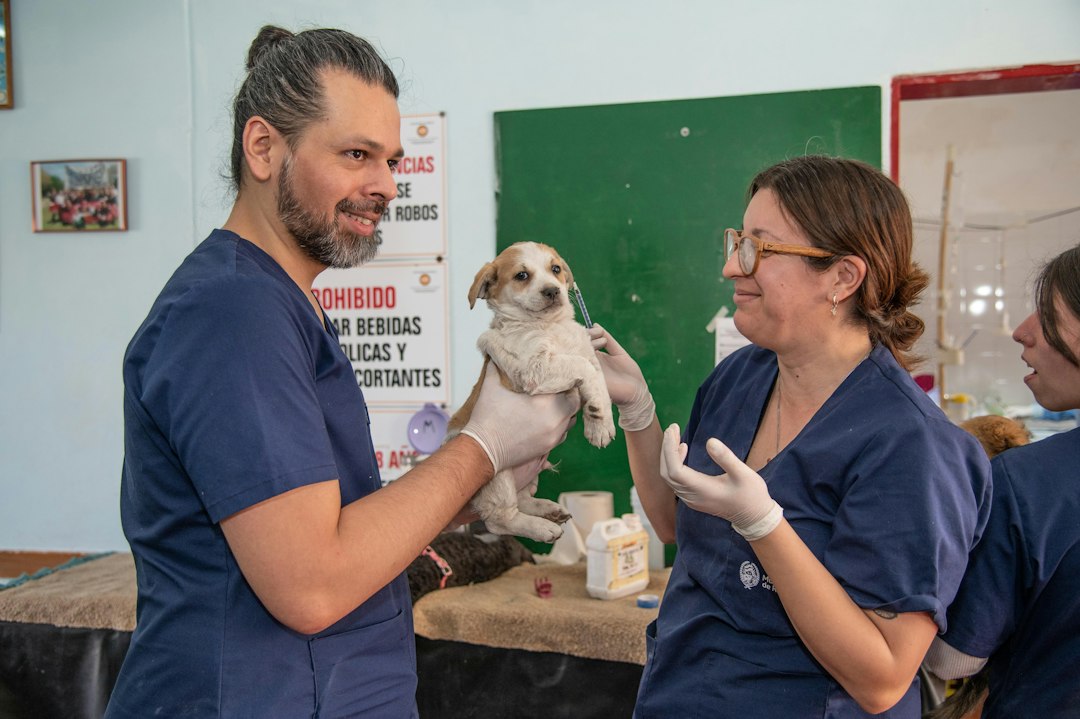
Pets are important members of the family, and maintaining their health requires consistent attention, preventive care, and access to professional veterinary services. From routine wellness examinations to diagnosing unexpected health concerns, quality veterinary care helps animals enjoy healthier and more comfortable lives. For pet owners in Northern Kentucky, Heineke Veterinary Hospital represents a focus on compassionate animal care, comprehensive veterinary services, and supporting the health needs of dogs, cats, and their families.
The Importance of Regular Veterinary Care
Regular veterinary visits play an essential role in maintaining a pet’s overall health. Animals cannot always communicate when something is wrong, so routine examinations help identify potential concerns before they become more serious.
During wellness visits, veterinary professionals can evaluate an animal’s general condition, monitor weight, examine teeth and gums, and discuss changes in behavior or appetite. These assessments provide useful information about a pet’s health and help determine whether additional attention is necessary.
Preventive veterinary care also allows pet owners to receive guidance about nutrition, exercise, vaccinations, parasite prevention, and age-related health requirements. Maintaining a consistent schedule of examinations supports responsible pet ownership and long-term wellness.
Comprehensive Veterinary Services for Pets
Dogs and cats require different types of medical attention throughout their lives. A comprehensive veterinary approach considers each animal’s age, breed, lifestyle, medical history, and individual health requirements.
Wellness examinations are an important starting point. They help establish a health baseline and allow veterinary professionals to monitor changes over time.
Vaccinations are another important part of preventive care. Following an appropriate vaccination schedule can help protect pets against various infectious diseases. Veterinary professionals can recommend suitable vaccinations based on an animal’s age, lifestyle, and potential exposure risks.
Diagnostic services may also be necessary when pets develop unusual symptoms. Depending on the situation, examinations and laboratory testing can help identify underlying conditions and support appropriate treatment decisions.
Dental Care and Pet Health
Dental health is often overlooked, even though it plays a significant role in an animal’s overall well-being. Plaque accumulation, tartar buildup, gum inflammation, and damaged teeth can cause discomfort and affect a pet’s ability to eat comfortably.
Regular dental examinations help identify potential oral health problems. Veterinary professionals can assess the condition of the teeth and gums and recommend suitable cleaning or treatment when necessary.
Pet owners can also support dental hygiene at home through appropriate brushing routines and veterinarian-recommended dental care products. Paying attention to unpleasant breath, changes in eating habits, or excessive drooling can help identify possible dental concerns.
Supporting Pets Through Every Life Stage
Veterinary requirements change as animals grow older. Puppies and kittens generally need frequent wellness assessments, vaccination planning, nutritional guidance, and advice about healthy development.
Adult pets benefit from regular examinations, weight management, dental attention, and preventive healthcare. Maintaining appropriate activity levels and a balanced diet can also contribute to better long-term health.
Senior pets may require more frequent monitoring because aging can increase the likelihood of certain medical conditions. Changes in mobility, appetite, sleeping patterns, and behavior should be discussed with a veterinary professional.
A consistent healthcare approach helps ensure that medical recommendations remain appropriate as pets move through different stages of life.
The Value of Compassionate Veterinary Care
A positive veterinary experience involves more than medical knowledge. Patience, communication, and understanding are important when caring for animals that may feel uncomfortable or anxious during examinations.
Pet owners should feel comfortable discussing symptoms, asking questions, and understanding available treatment options. Clear explanations help families make informed decisions about their pets’ healthcare.
Compassionate handling can also make veterinary visits less stressful for animals. Building familiarity with routine examinations may help pets become more comfortable with professional care over time.
Responsible Pet Ownership and Preventive Health
Maintaining pet health also involves everyday responsibilities at home. Providing nutritious food, fresh water, regular exercise, suitable living conditions, and appropriate grooming supports general wellness.
Pet owners should monitor changes in appetite, energy, behavior, and physical condition. Any unusual or persistent symptoms should be evaluated by a veterinary professional rather than ignored.
Combining responsible home care with regular veterinary examinations creates a stronger foundation for maintaining animal health.
Conclusion
Quality veterinary care is essential for protecting pets and supporting their well-being throughout life. From preventive examinations and vaccinations to dental attention and age-related health management, comprehensive services address many important aspects of animal care. Heineke Veterinary Hospital highlights the importance of compassionate veterinary attention and professional support for pet owners in Northern Kentucky. With regular checkups, responsible home care, and timely medical attention, families can help their pets enjoy healthier and more comfortable lives.
Key Takeaways
- Heineke Veterinary Hospital in Northern Kentucky focuses on compassionate animal care and comprehensive veterinary services for pets.
- Regular veterinary visits are essential for maintaining a pet’s overall health and identifying potential concerns before they escalate.
- Preventive care includes vaccinations, nutrition guidance, parasite prevention, and monitoring changes in pets’ behavior or appetite.
- Dental health is crucial for pets, with regular examinations helping to identify issues like plaque and gum inflammation.
- Pets’ healthcare needs change as they age, requiring different levels of attention from puppies to senior animals.
- Responsible pet ownership includes providing proper nutrition, exercise, and grooming, alongside regular veterinary examinations.